
Studio services for live television, from wiring to transmission
Six areas of work covering the gallery, cameras, room acoustics, lighting, live crew and written audits, planned and delivered by one small team in Exeter.
Six ways we support a live studio
-

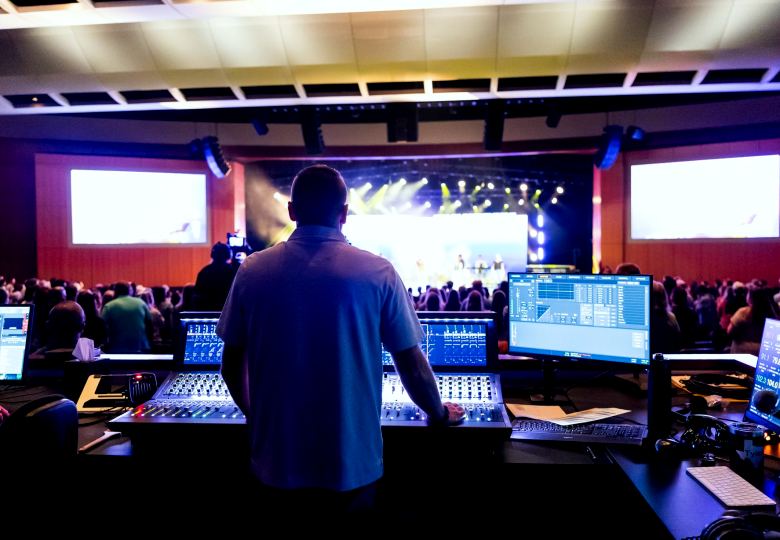
Studio Equipment Integration
We specify, install and wire vision mixers, monitoring, intercom and routing so the gallery works as one system. Every cable run is labelled and documented, and the gallery is commissioned on site.
Contact → -

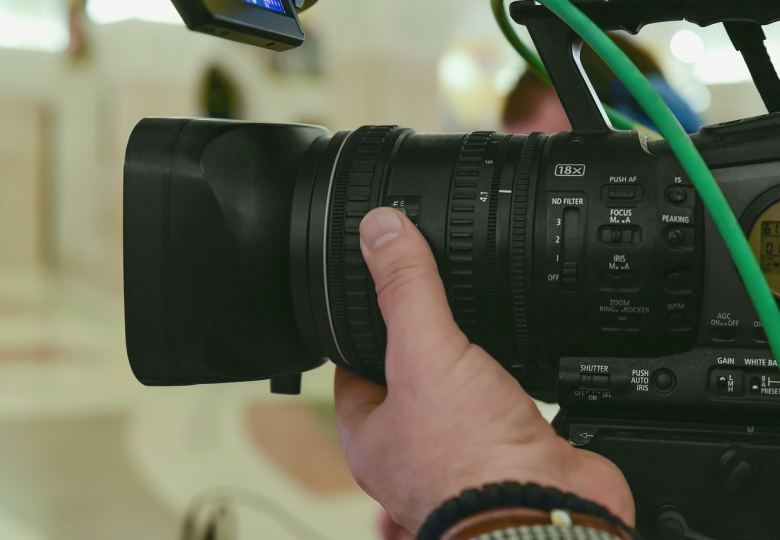
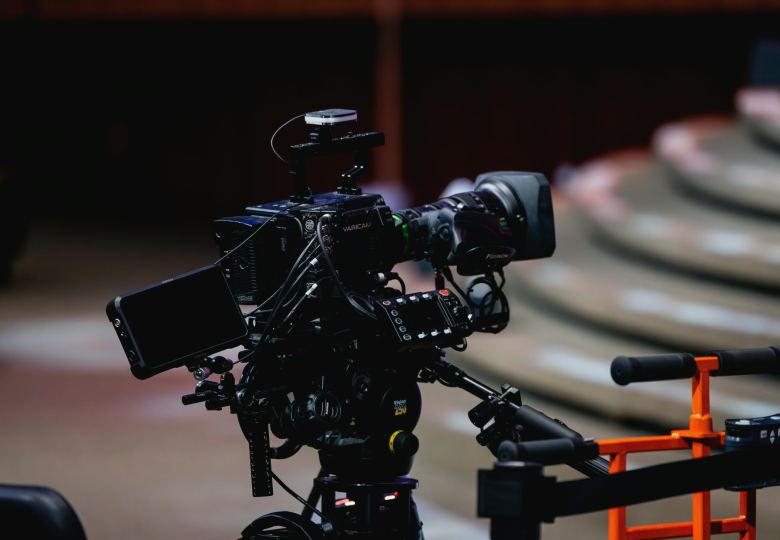
Camera Setup and Operation
We plan camera positions and fit pedestal or robotic rigs, then brief operators on framing and moves. The aim is steady, well-composed pictures that hold up across a long live programme.
Contact → -
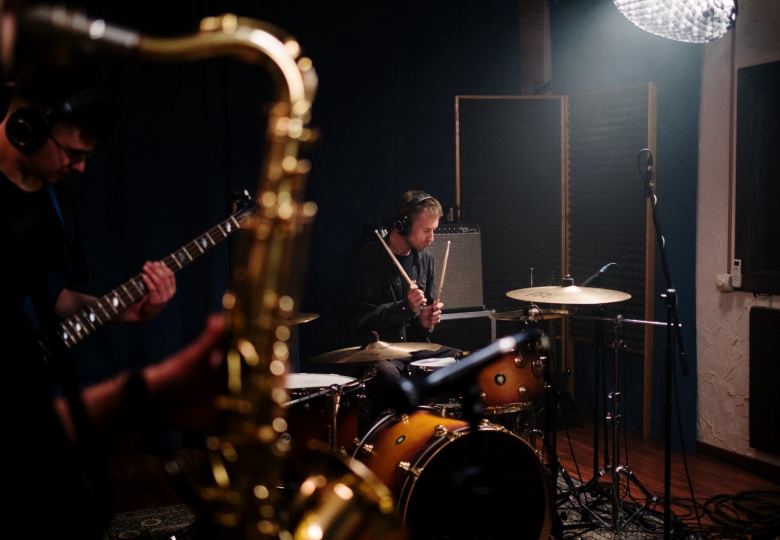
Acoustic Treatment
We measure how your studio or voice booth behaves, then treat it so speech stays clear and consistent on air. Treatment is chosen from the measurements, not from a standard kit.
Contact → -
Lighting Design
We draw LED lighting plots for news desks, interview sets and entertainment stages, and programme the dimming control to suit. Cameras, set and presenters are all considered in the plot.
Contact → -
Live Show Production Support
We supply technical crew and gallery staff for live broadcasts, working with you from rehearsal through to transmission. Roles are agreed beforehand against your run sheet.
Contact → -
Workflow and Reliability Audits
We review your signal chain, backup paths and run sheets and write up what we find. Fixes are ranked by priority so you can decide what to tackle first.
Contact →
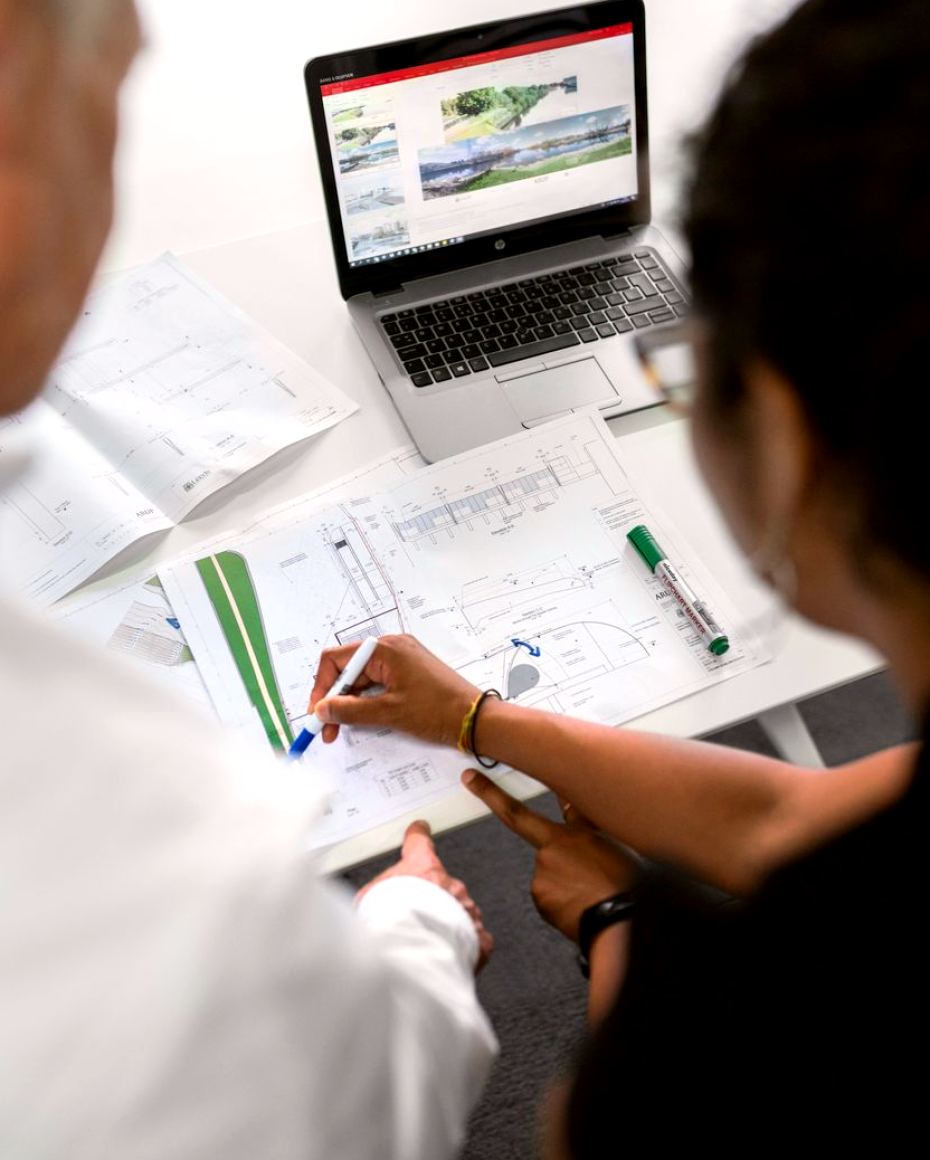
Studio Equipment Integration, step by step
- 01
Specification
We list the vision mixer, monitoring, intercom and routing the programme needs, and flag where existing kit can stay. You receive a written specification to review before anything is ordered.
- 02
Installation and wiring
Equipment is racked, cabled and labelled to a plan agreed in advance. Signal paths are kept tidy so faults can be traced quickly when a show is on air.
- 03
Commissioning on site
Our lead engineer tests every path, checks monitoring and intercom, and confirms that routing behaves as specified. Faults found at this stage are fixed before handover.
- 04
Documentation and handover
You receive drawings, labelling schedules and a short walkthrough for your operators. This means your team can run and maintain the gallery without calling us for every small question.
From first conversation to a working studio
Every project follows the same sequence, whatever its size. We start by listening and measuring, put the plan in writing, and only then install. Each step ends with something you can read, check and approve, so decisions stay with you.
- 01
Initial conversation
We talk through your programmes, your space and what is not working now. If it helps, we visit the studio to see the room, the equipment and how your team uses it day to day.
- 02
Survey and measurement
We look at the signal chain, measure the acoustics where relevant, and note camera and lighting positions. Nothing is assumed from photographs when it can be checked in the room.
- 03
Written proposal
We set out the work, what is included, what could change the scope and the cost. The proposal is a written quotation, and you can ask us to adjust it before agreeing.
- 04
Installation and rehearsal
Work is carried out to the agreed plan, followed by testing and, for live work, a rehearsal with your presenters and crew. Problems are put right while there is still time.
- 05
Handover and support
We walk your team through the finished system and leave documentation behind. For live shows, our crew can stay on for transmission if that was agreed.

Tell us about your studio and what you need from it
Send an enquiry through the contact page describing your studio, your programmes and the work you have in mind. We reply with questions or a written quotation.
Contact↗Get in touch
Write to us: [email protected]