
One gallery, one afternoon: how Marcus's studio finally came together
A short account of a regional studio that had grown piece by piece, and how rewiring its vision mixer, monitoring and intercom into one gallery changed a normal live morning.
6 minutes to read
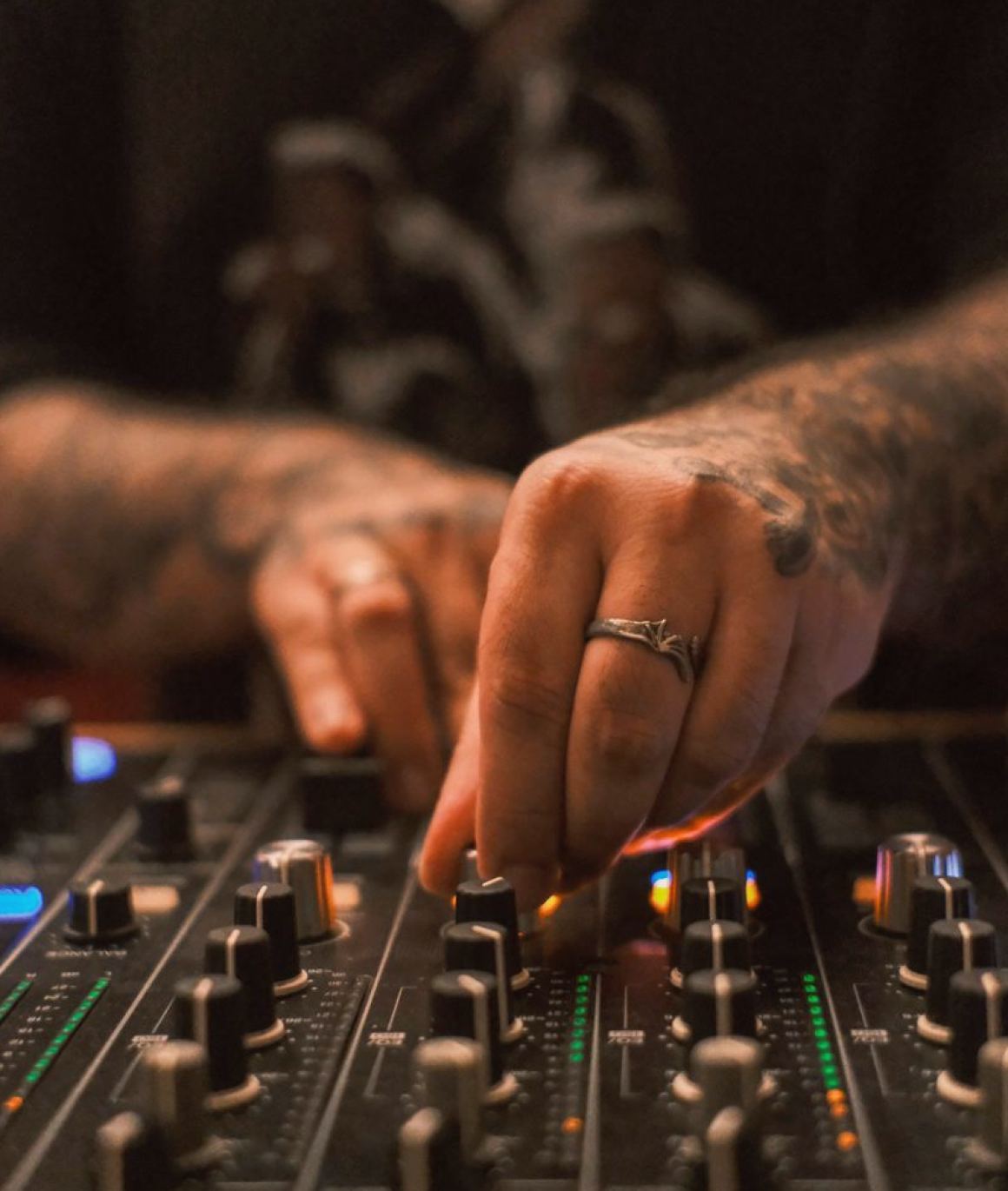
A studio that had grown one purchase at a time
Marcus runs a small regional news studio, and when he first rang us the problem was easy to describe and hard to fix. The gallery had been built over several years, a mixer bought here, a monitor wall added there, an intercom borrowed from a previous tenant. Nothing was broken, exactly. Everything simply worked a little differently from everything else.
I visited on a quiet weekday morning while the team rehearsed an interview segment. What struck me was not the equipment but the habits the crew had built around it. The director kept a handwritten card of which button on the intercom reached which person. The vision mixer operator knew that one input had to be selected twice before it would hold.
Marcus was candid that he did not want a grand rebuild. He wanted the morning programme to stop depending on people remembering workarounds, and he wanted the budget to stay modest. That brief shaped everything we proposed afterwards.
What we found when we followed the cables
Before suggesting anything, Callum spent most of a day tracing signal paths with the crew. Our habit is to draw what actually exists, not what the original drawings say, because those two rarely match in a studio that has grown by stages. The drawing we produced showed three separate routing arrangements sharing one rack.
Two monitors on the gallery wall were fed through a chain of converters nobody had documented. One camera reached the mixer by a cable run that crossed a power distribution board, which explained an occasional hum in the programme feed that the crew had stopped noticing. The intercom lived on its own wiring with no shared reference to the rest of the gallery.
None of this was careless work. Each decision had made sense on the day it was taken. Put together, though, the studio had several small points of failure, and nobody could say with confidence which one would give way first.
- Three routing arrangements sharing a single equipment rack
- An undocumented converter chain feeding the monitor wall
- One camera cable crossing a power board, causing intermittent hum
- Intercom wired separately from the rest of the gallery
Deciding what to keep and what to replace
The most useful conversation of the project was about what not to buy. The vision mixer was a sound unit with plenty of life left, and replacing it would have consumed a large part of the budget for little gain on air. We kept it and rebuilt the connections around it, which is often the better trade when a mixer is sound and the wiring is not.
The monitoring was different. Mixed screen sizes and inconsistent colour made it hard for the director to judge a shot at a glance, so we specified a matched set for the main wall. The intercom was replaced with a system that could be patched into the same routing logic as the video, so a change in one place no longer meant a change in three.
Marcus asked for a written list of every item, what it did and why it was staying or going. We supplied it, and he pinned a copy in the gallery.
The install days and the quiet rehearsal
We scheduled the physical work across two non-broadcast days so the programme was never at risk. Callum commissioned each connection on site, labelled both ends of every cable, and tested each path before moving to the next. It is slow work and there is no clever way to hurry it.
What I remember most is the rehearsal on the second afternoon. The crew ran their usual interview segment end to end, and for the first time nobody reached for the handwritten card. The intercom talked to the people it was supposed to talk to, and the monitor wall showed the same picture the viewers would see.
We stayed through a second full run with a deliberate fault introduced on one input, so the team could see how the gallery behaved and recover without us standing behind them.
A morning that went the way it should
The first live programme after the changes was unremarkable, which is the best thing I can say about a gallery. A guest arrived late and the running order shifted at short notice. The director re-cut the sequence on the intercom, the operator followed, and the picture on air never wobbled.
Marcus rang a few weeks later, mostly to say that a new operator had joined and found her feet within a single shift. In the old arrangement she would have been handed the handwritten card and a warning about the double press on the mixer. Now the labels on the rack and the logic of the routing did the explaining.
He also mentioned that the hum had gone. That was never a complaint he had made, because by then nobody on the crew heard it any more, and I think that says something about how easily a studio gets used to its own faults.
What a gallery owner can take from this
Most studios that ask us about equipment integration are not short of equipment. They are short of a single, documented picture of how it fits together, and of a signal path that a new colleague can understand in an afternoon. The cheapest improvement is often drawing that picture honestly before anything is bought.
If you are in a similar position, start by tracing one programme feed from camera to transmission and writing down every device it touches. Note which connections nobody can explain. Those are the places where a failure will surprise you, and they usually tell you where to spend first.
Keep working equipment where it earns its place, replace what makes the crew's work harder, and insist on labels. Marcus's studio did not need to be new. It needed to be legible, and that is a more achievable goal.
- Trace and write down one full feed from camera to transmission
- Mark every connection nobody can explain
- Keep sound equipment and rebuild the wiring around it
- Label both ends of every cable before leaving site
Marcus's gallery did not gain a single flashy feature. It gained a signal path that one person can read, a monitor wall the director can trust and an intercom that follows the same logic as the pictures. If your own studio has grown piece by piece, a careful look at how it is actually wired is a sensible first step, and the contact page is the place to begin that conversation.
Priya Nair
Lighting DesignerPriya draws lighting plots for news and interview sets and programmes the control desk.
Get in touch
Write to us: [email protected]